International students must obtain a V-4 study visa to study in Armenia, issued through evisa.mfa.am or an Armenian embassy. Until August 2026, the standard 105,000 AMD Temporary Residence Permit (TRP) fee is waived for students. The e-visa processes in 3 business days; embassy applications take up to 10 working days.
What Is an Armenia Studies Visa?
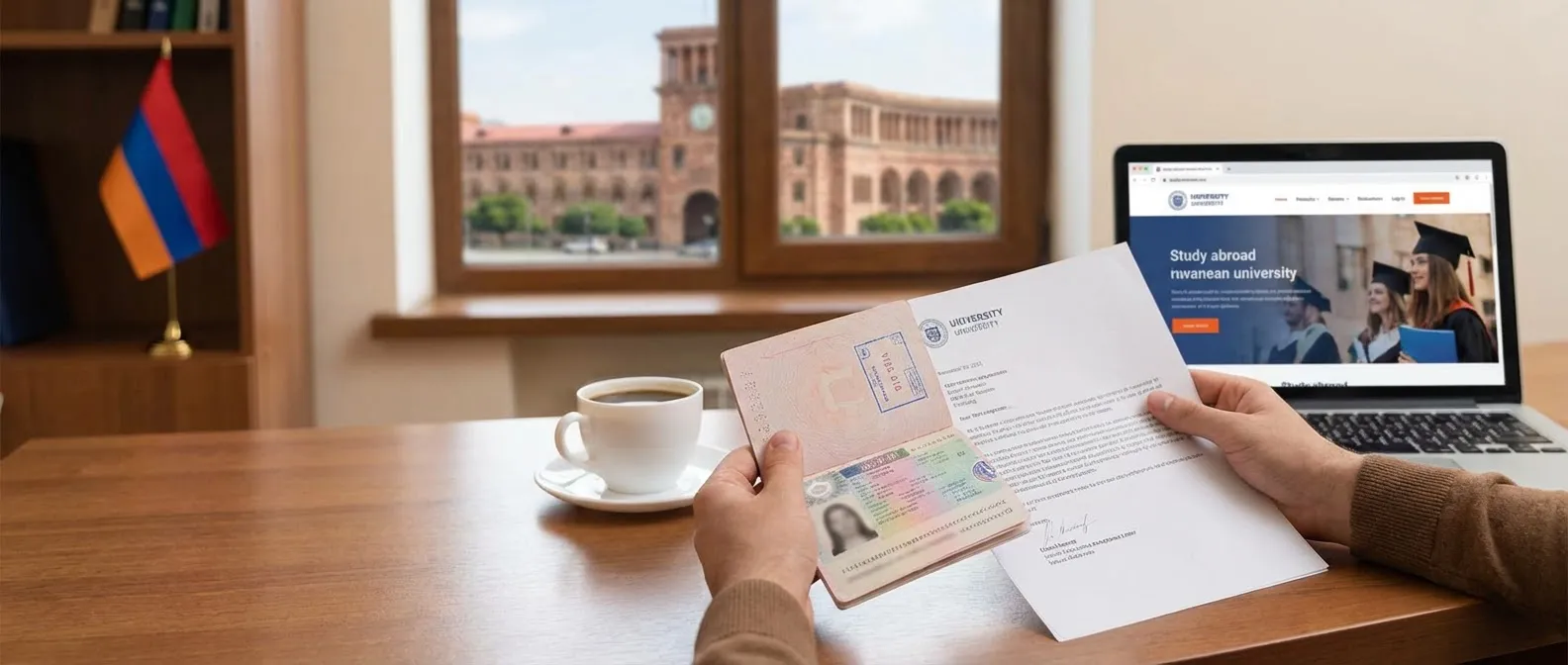
An Armenia Studies Visa (V-4 category) is a nonimmigrant entry authorization for foreign nationals enrolled in accredited Armenian secondary, vocational, or higher education institutions. The V-4 visa serves as the legal entry point, after which students must apply for a Temporary Residence Permit (TRP) to remain for the full duration of their academic program. A standard tourist visa does not permit long-term study residence.
Who Needs a Visa to Study in Armenia?
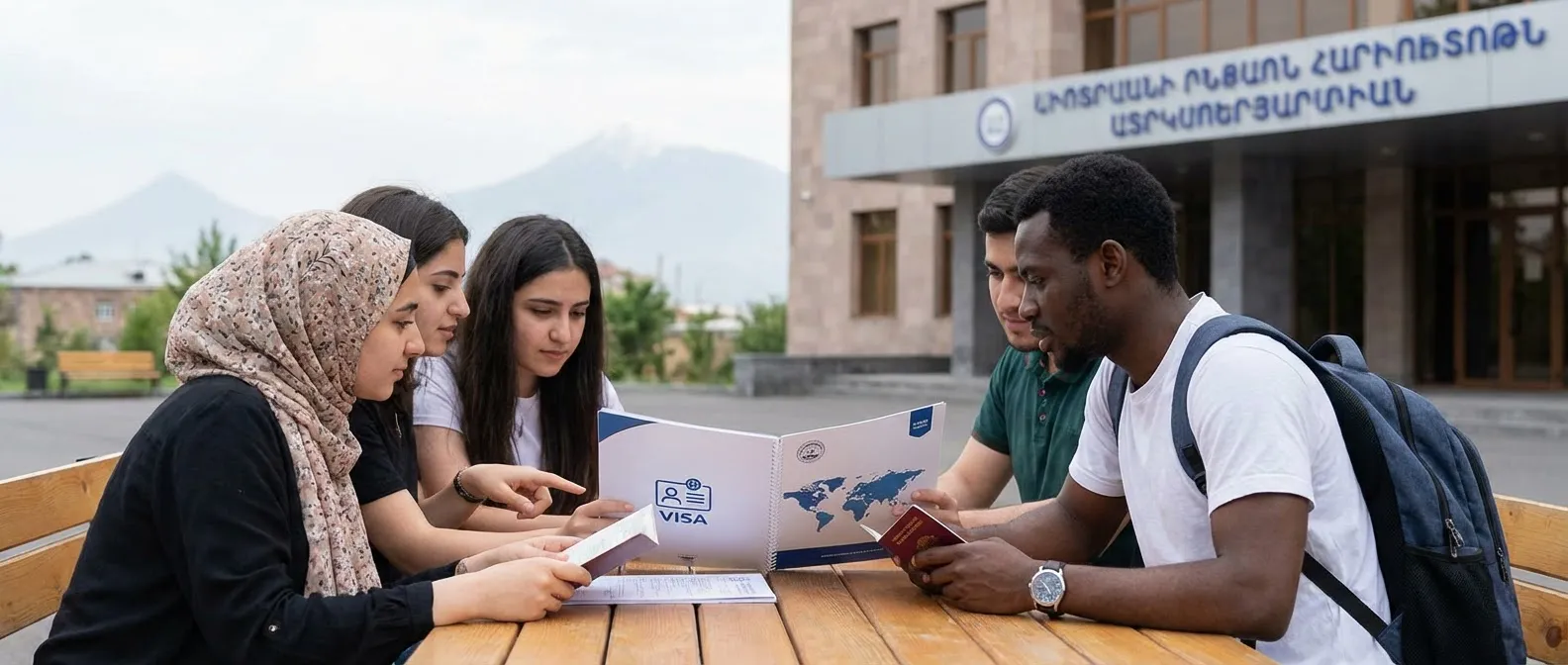
Citizens of countries without a visa-free agreement with Armenia must obtain a V-4 visa before arrival. Nationals from most African and Asian countries additionally require an invitation letter submitted by their Armenian educational institution to the Ministry of Foreign Affairs (MFA). EU, USA, and CIS citizens typically have simplified entry conditions. Check the visa reciprocity schedule on evisa.mfa.am to confirm your specific requirements before applying.
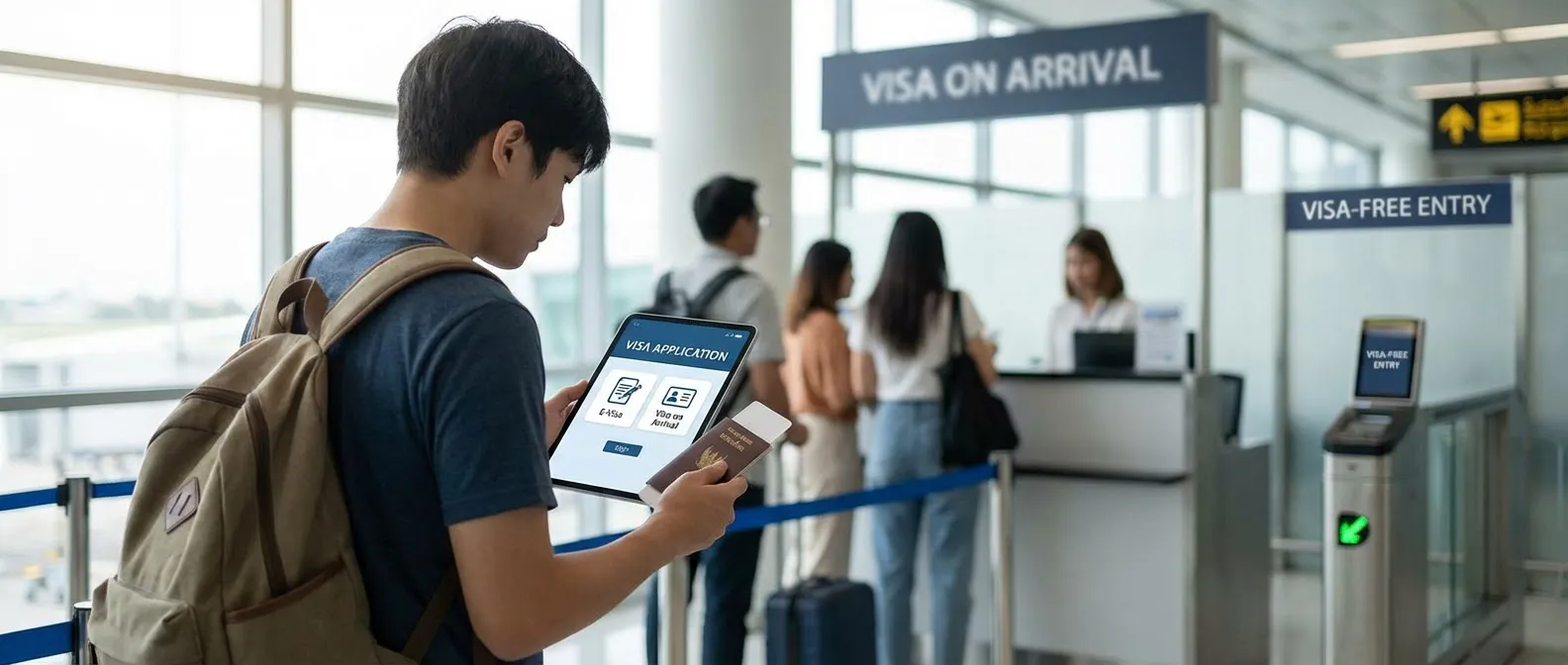
Visa-Free Entry, Visa on Arrival, and E-Visa Options for Students
Students from visa-free countries can enter Armenia with a valid passport for up to 180 days per year but must still apply for a TRP for long-term study. Students requiring a visa have three options:
- e-visa via evisa.mfa.am (processed in 3 business days),
- visa on arrival at Zvartnots International Airport,
- a sticker visa from an Armenian embassy.
For long-term study, securing an e-visa or embassy sticker visa with the correct V-4 category before travel is strongly recommended over visa on arrival.
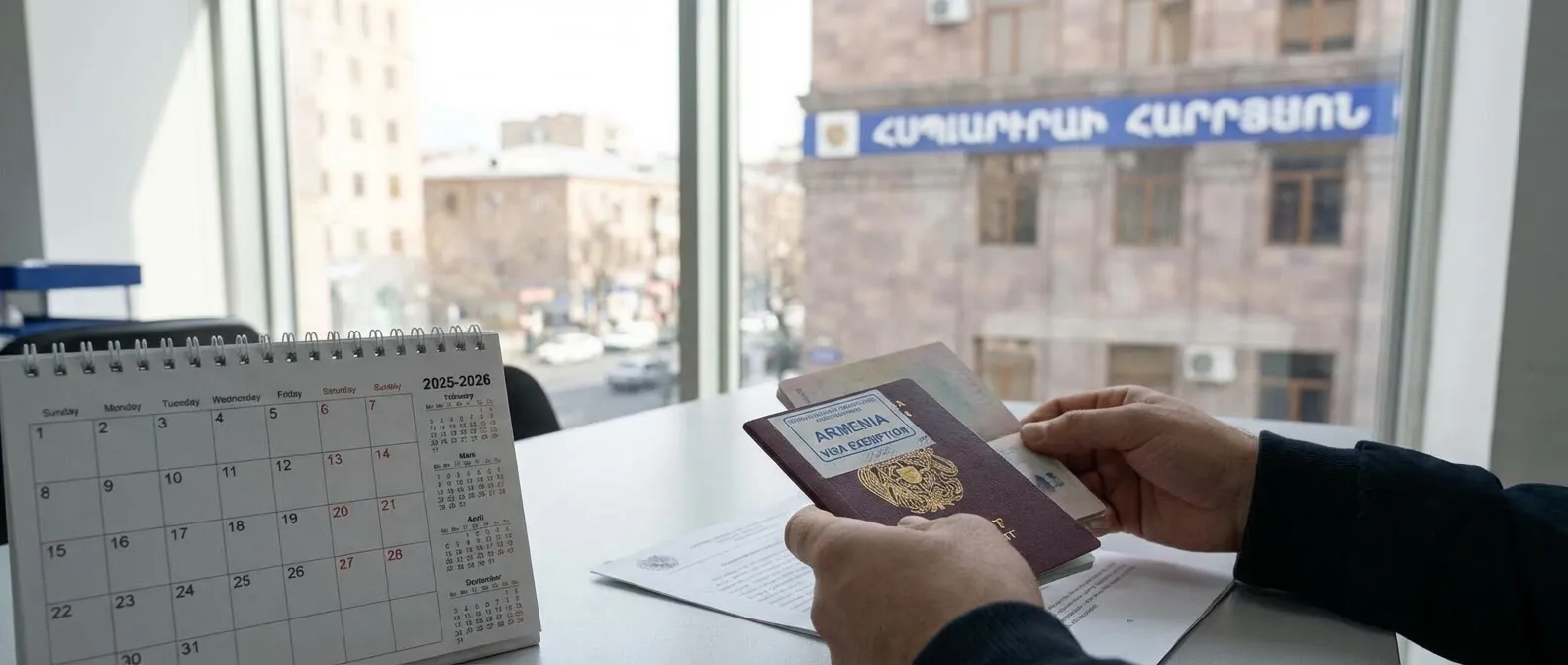
Temporary Visa Exemption 2025 and 2026 Immigration Reforms
The state duty fee of 105,000 AMD for the student Temporary Residence Permit is waived until August 2026, significantly reducing the financial burden for international students. The 2026 immigration reforms aim to introduce a unified electronic platform for residence applications, streamlining the Migration and Citizenship Service processes. These changes are designed to make Armenia more accessible to international students, researchers, and academics.
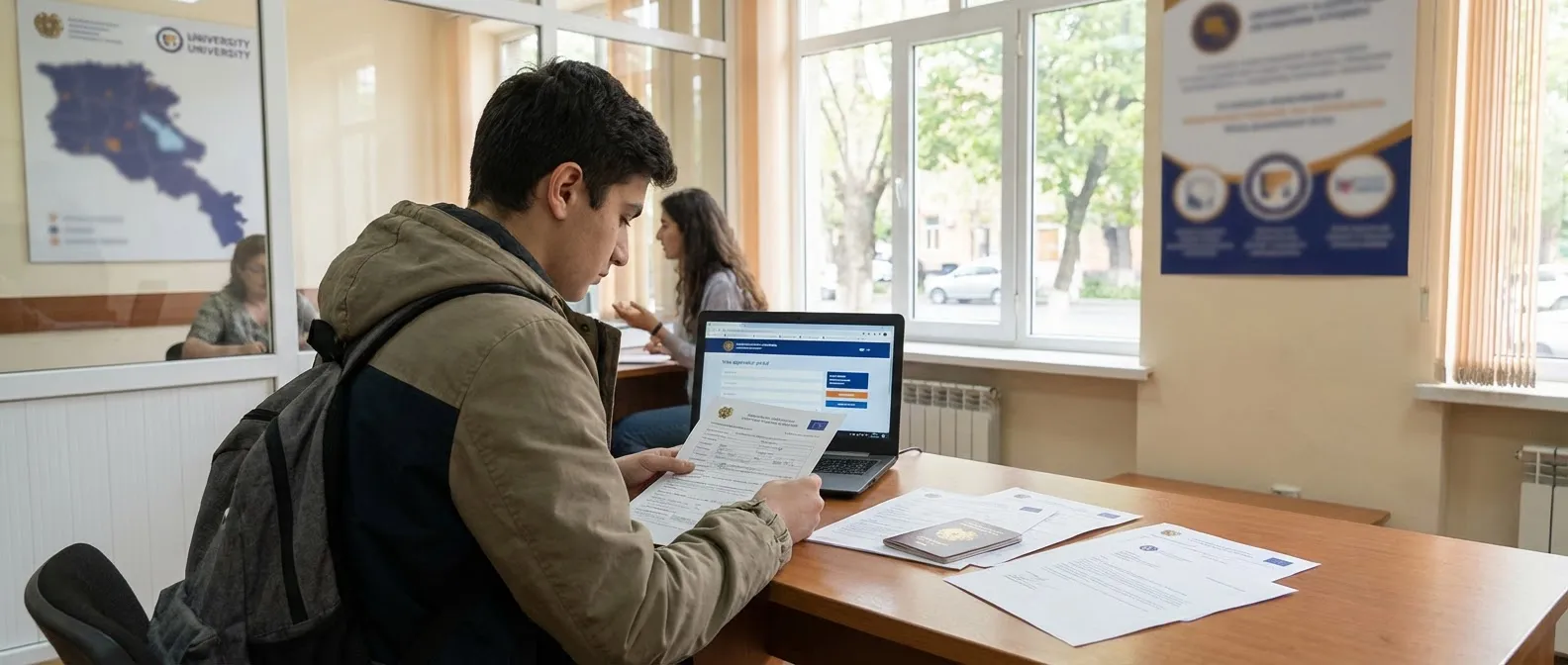
V-4 Study Visa Category and Other Visa Types for Students
The V-4 study visa is the required classification for all students entering Armenia for degree or long-term programs. Other visa types apply only in limited circumstances:
- V-1 Visa: typically for visitors and tourists, suitable only for very short courses (under 90 days) where residence is not required,
- Official and Diplomatic Visas: used if the student is a family member of foreign diplomatic representatives,
- Free Student Visa: in some cases, under bilateral and multilateral visa agreements, students may be exempt from visa fees.
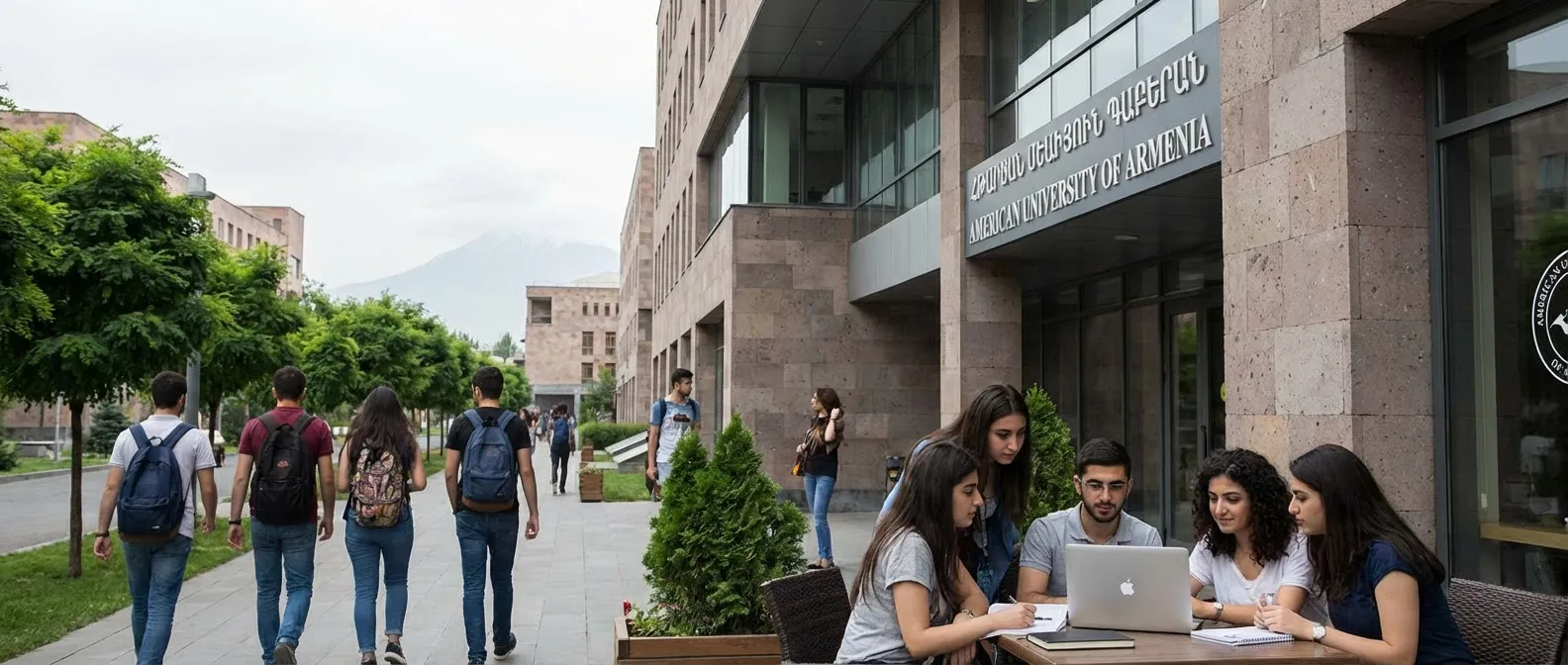
Which Educational Institutions in Armenia Qualify?
Only institutions accredited by the Ministry of Education, Science, Culture and Sports (MOESCS) qualify for student visa and TRP purposes. Qualifying institutions must issue an official admission letter and, where required, an MFA-approved invitation letter. Eligible institution types include:
- higher education institutions (Universities, Institutes),
- secondary educational establishments,
- vocational schools,
- post-graduate research centers.
Top Universities and Research Institutions for International Students
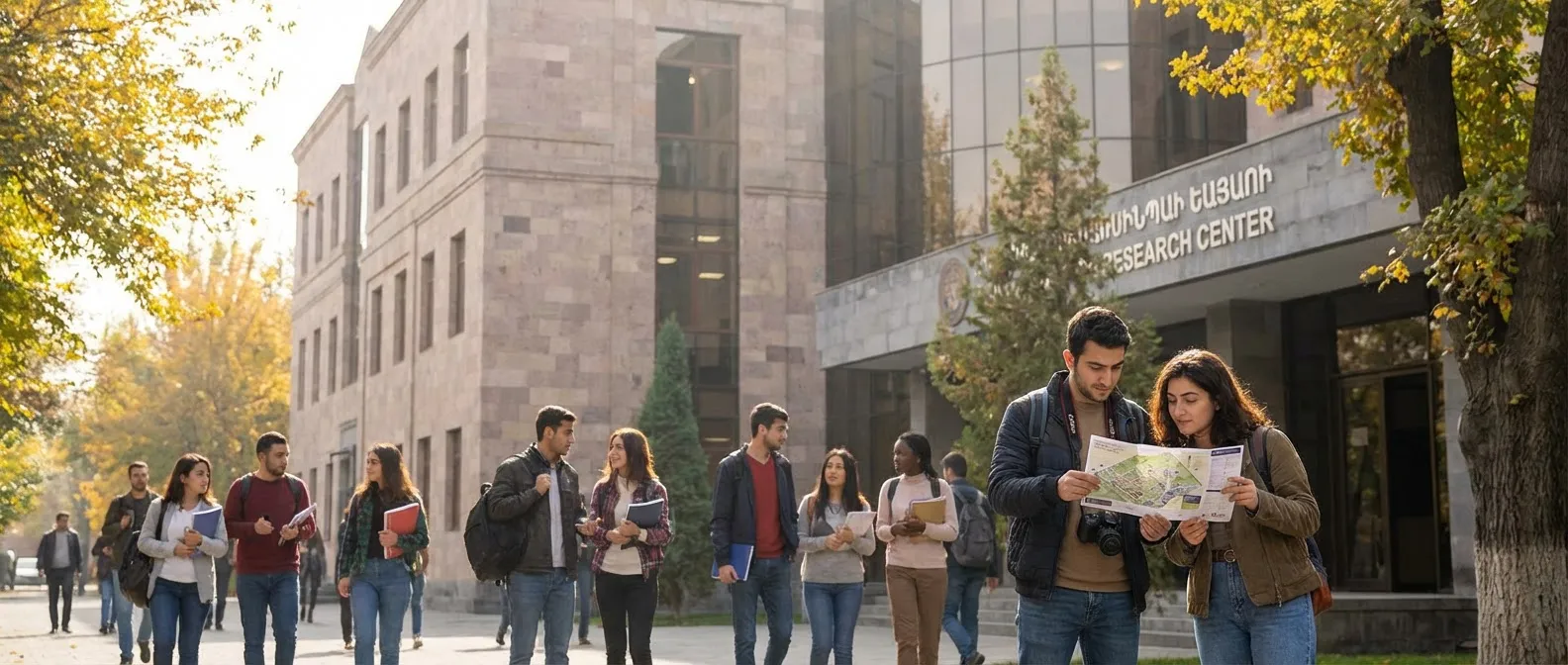
Armenia’s leading institutions for international students include Yerevan State University (YSU), the largest and oldest university offering the widest program range, and the American University of Armenia (AUA) for internationally recognized, English-language degrees. Yerevan State Medical University is the primary destination for medical students, while the Russian-Armenian University serves CIS-country applicants. The Matenadaran Research Institute offers specialized opportunities for researchers in ancient manuscripts and historical studies. All these institutions have dedicated departments for educational coordination and visa support.

University Admission Process and Language Proficiency Requirements
The admission process begins with an online application to your chosen university, requiring educational documents such as high school diplomas or bachelor’s degree certificates. Upon acceptance, the university issues an admission letter, which is mandatory for the visa application. Language requirements depend on the program:
- Armenian: required for most state programs; preparatory courses are available,
- English: essential for AUA and international medical programs,
- Russian: used in specific universities like the Russian-Armenian University.

Armenia Student Visa Requirements: Document Checklist
A complete document set is required for all V-4 visa applications, whether submitted online or at an embassy. Incomplete applications are the most common cause of delays.
- Valid passport: must be valid for at least one month beyond the requested visa duration,
- Visa application form: completed and signed (or submitted online),
- Admission letter: official confirmation from the educational institution,
- Passport-size photograph: meeting standard biometric requirements,
- Proof of accommodation: dormitory contract or rental agreement,
- Financial proof: bank statements or a letter proving financial means to cover tuition and living costs,
- Health insurance: valid coverage for the duration of the stay,
- Tuition fee receipt: proof of payment for the first semester or year.
Document Legalization: Apostille, Consular Legalization, and Translation
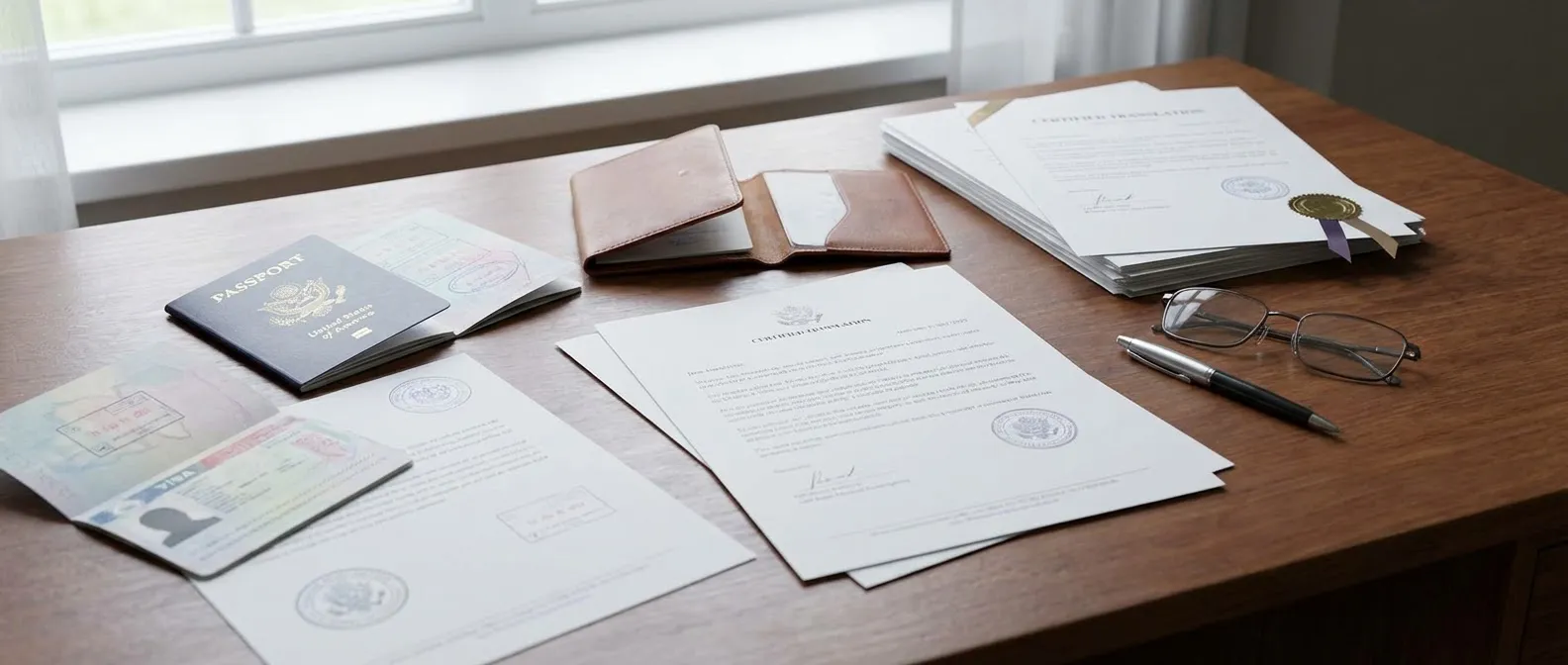
All foreign documents submitted for visa or residence applications must be legalized for Armenian authorities to accept them. Citizens of Hague Convention member countries must obtain an Apostille on their documents. Citizens of non-member countries must use consular legalization. All documents not in Armenian must be translated and notarized. This requirement applies to birth certificates, police records, and previous diplomas.

How to Apply for an Armenia Studies Visa Step by Step
Follow these steps in order to avoid administrative delays:
- Secure Admission: apply to a university and receive your official admission letter.
- Check Visa Requirement: determine if you need an invitation letter or if you can apply directly via evisa.mfa.am.
- Submit Application: fill out the visa application form online or at an Armenian diplomatic mission.
- Pay Fees: pay the visa fee using the approved methods (online payment or bank transfer).
- Receive Visa: wait for the visa approval notification and receive your e-visa or sticker.
- Travel to Armenia: present your visa and documents at Armenia border control.

Visa Processing Times and Options: Standard, Urgent, and Express
E-visa applications via evisa.mfa.am process in 3 business days under standard conditions; additional security checks may extend this. Standard embassy applications take up to 10 working days. Some consular posts offer urgent or express processing for an additional fee, though availability varies by location. Apply at least 30 days before your intended travel date to account for potential delays.

Visa Fees, Consular Charges, and Student Discounts
Entry visa fees are non-refundable and set by visa type: a short-stay visitor visa (up to 21 days) costs approximately 3,000 AMD; a long-stay visitor visa (up to 120 days) costs approximately 15,000 AMD. The standard 105,000 AMD Temporary Residence Permit fee is waived for students until August 2026, leaving only minor administrative card-issuance charges. Always verify current fees on the MFA official website before applying.

How Long Can You Stay in Armenia on a Student Visa?
A V-4 entry visa is valid for up to 120 days and is intended solely to allow entry and time to apply for a Temporary Residence Permit (TRP). The TRP, not the visa sticker, governs your long-term legal stay and is granted for 1 year, renewable annually for the duration of your academic program. Do not rely on the entry visa for multi-year residence.
Visa Extension Process for Students
Students do not extend their entry visa; they transition to a Temporary Residence Permit. If your entry visa is expiring before your TRP is issued, contact the Passport and Visa Department of the RA Police (OVIR). Submit your TRP application to the Migration and Citizenship Service (MCS) well before your entry visa expires. Overstaying without a pending residence application results in administrative fines.
How to Apply for a Temporary Residence Permit as a Student
The TRP application must be submitted to the Migration and Citizenship Service after arrival in Armenia. Processing takes 30 to 45 days.
- Medical Examination: undergo a medical examination for residence permit to prove you do not have specific infectious diseases,
- Submit Documents: provide your passport, admission letter, medical certificate, and photos,
- Biometrics: provide biometric data collection (fingerprints and photo) at the migration office,
- Wait for Decision: the processing time can take 30–45 days.
Residence Permit Fees, Duration, and Renewal
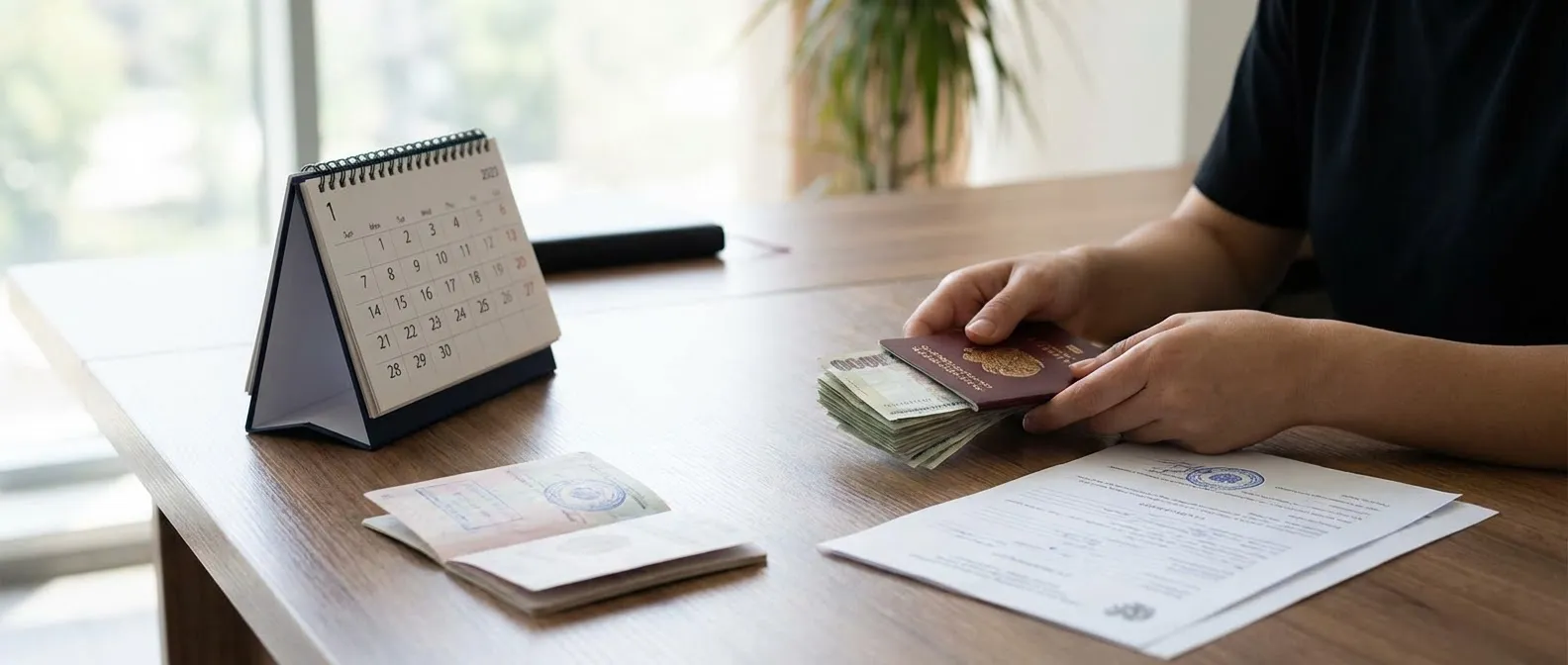
The standard TRP fee is 105,000 AMD, waived for students until August 2026. The TRP is valid for 1 year and must be renewed at least 30 days before expiry. Renewal requires an updated enrollment confirmation letter from your university proving continued student status.
183-Day Absence Reporting Rule and Permit Conditions
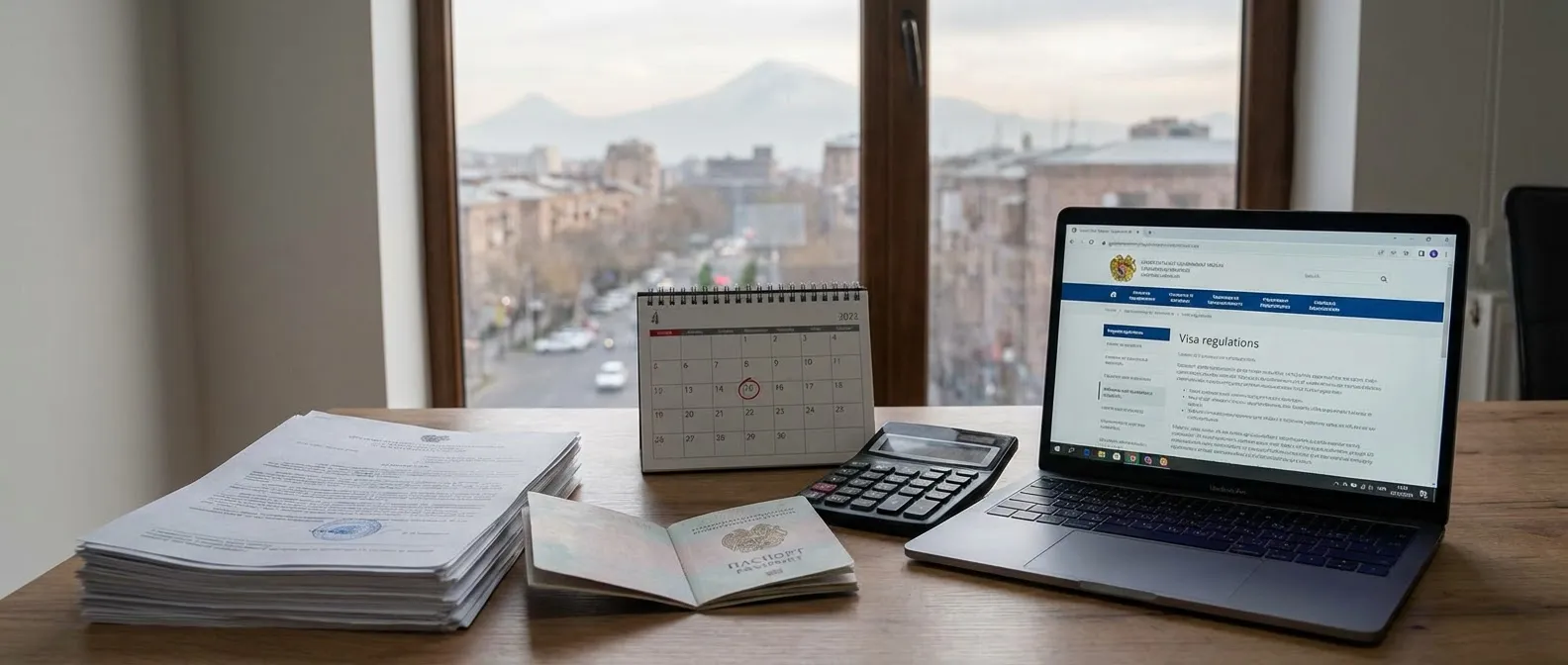
Students holding a TRP must maintain primary residence in Armenia. Absence from Armenia for more than 183 days within a single year may result in permit revocation unless a valid justification is provided. Students planning extended periods abroad during academic breaks should consult the Migration and Citizenship Service in advance.

Work Rights and Part-Time Employment Rules for Students
International students in Armenia may work part-time up to 20 hours per week during the semester without a separate work permit. Legal employment requires employer registration with the tax authorities and a Social Security Number (SSN), obtained alongside the residence card. Monthly living costs excluding rent range from $300 to $500, making part-time work a practical supplement.

Can You Bring Your Family While Studying in Armenia?
Spouses and children of international students are eligible for family member residence permits linked to the student’s TRP. Required documents include legalized marriage certificates and birth certificates (Apostille or consular legalization), proof of sufficient financial means, and accommodation documentation. Apply for family residence permits through the Migration and Citizenship Service.

Scholarship Opportunities for International Students
The Armenian government offers scholarships for citizens of specific countries under bilateral agreements, typically covering tuition and providing a monthly stipend. YSU and AUA offer merit-based and need-based university scholarships. International programs including Erasmus+, DAAD, and AGBU are active in Armenia for exchange students and researchers. Check university websites and the MOESCS portal early in the application cycle for scholarship deadlines.
Student Living Costs in Armenia: Accommodation, Food, and Transport
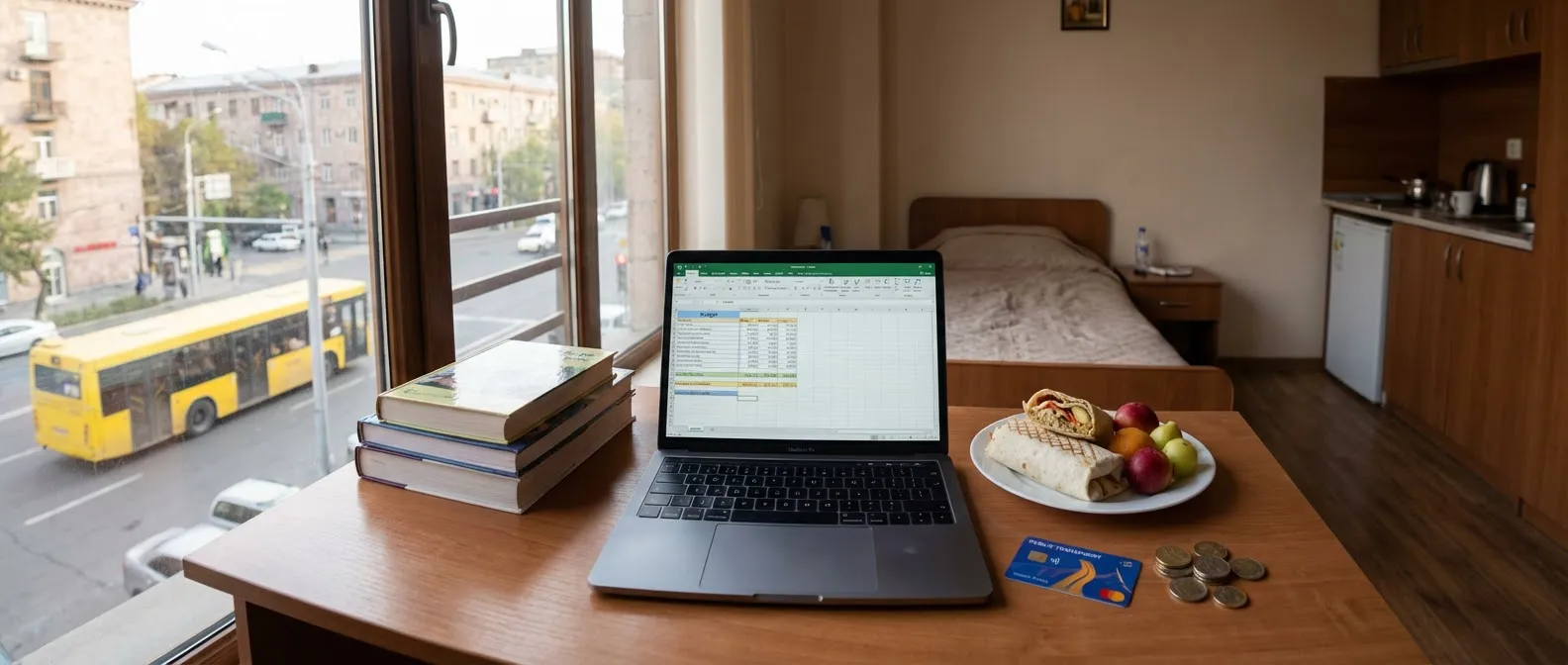
Living costs in Armenia are significantly lower than in Western Europe or North America. Monthly expenses excluding rent range from $300 to $500 depending on lifestyle.
- Food expenses: groceries are affordable; eating out is moderate,
- Public transport: very cheap — underground metro, bus, and minibus fares are typically 100 AMD ($0.25),
- Taxi: affordable and widely used via apps.
YSU dormitory prices are substantially lower than private apartment rentals, making them the most cost-effective accommodation option.

What to Do After Arrival: Address Registration and Social Security Number
Within the first days of arrival, register your address at the local police station or passport desk — this is mandatory for the TRP application. Bring your passport and a rent agreement or written consent from the property owner. Simultaneously apply for a Social Security Number (SSN), required for opening a bank account, legal employment, and all government interactions.

Post-Graduation Options: Work Visa and Staying in Armenia
Graduates can transition from student status to employment-based residence by securing a registered employer who sponsors a work residence permit. The 2026 immigration reforms are expected to create a more streamlined post-graduation pathway, allowing graduates to remain in Armenia while seeking employment. Legal employment requires a registered employer and a new residence permit based on work status.

Pathway to Armenian Citizenship for Students
Legal residence accumulated during student years counts toward the 3-year minimum residency requirement for citizenship. Students typically must first transition to a work or family-based residence permit before applying for permanent residency, as student TRPs do not convert directly to permanent residence. Citizenship applicants must pass an Armenian language test and demonstrate knowledge of the Constitution. Students with Armenian ancestry qualify for a significantly faster citizenship process, often bypassing the standard residency period.
Armenia Student Visa vs Tourist Visa vs E-Visa
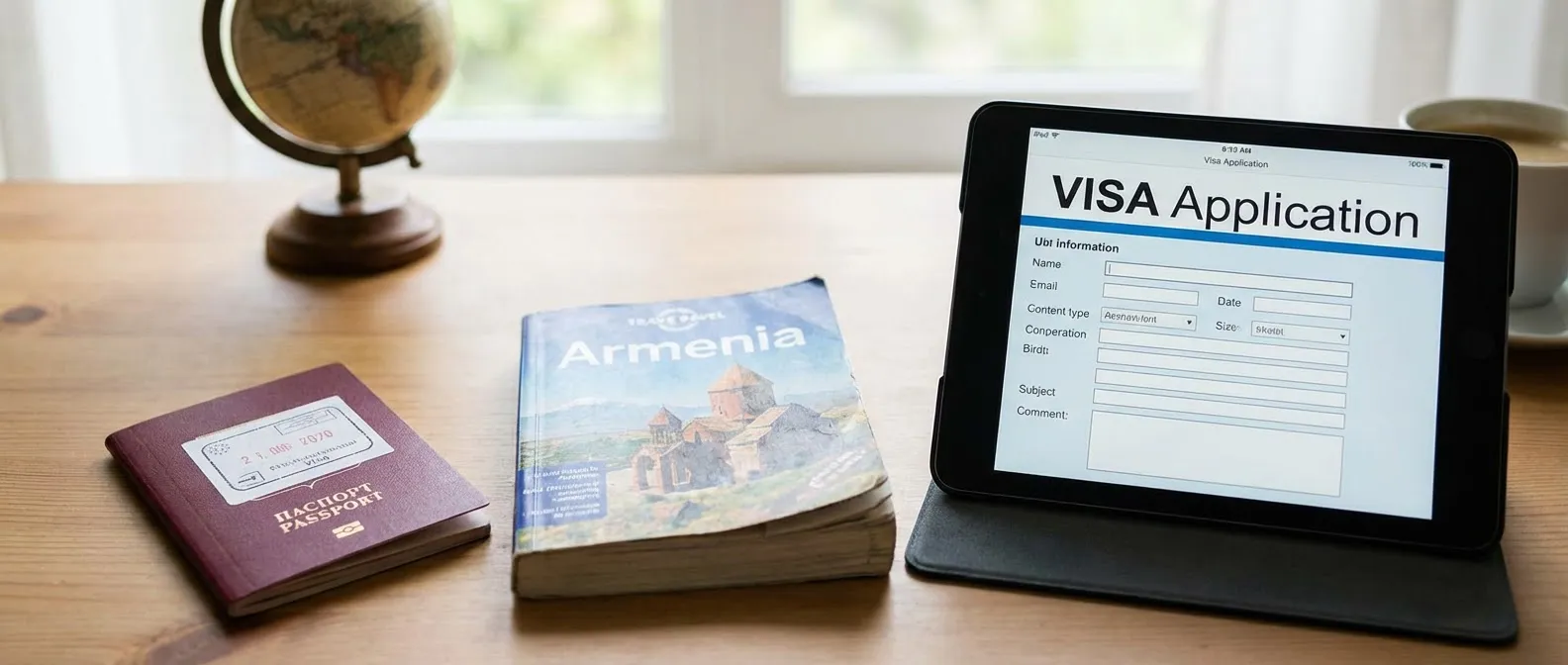
Using a tourist visa for long-term study is illegal and results in visa extension complications and potential fines.
| Feature | Student Visa (V-4) / TRP | Tourist Visa / E-Visa |
|---|---|---|
| Purpose | Long-term study, degree programs | Tourism, short visits |
| Duration | 1 year (renewable) | Up to 120 days (usually non-renewable) |
| Work Rights | Yes (Part-time) | No |
| Residency | Leads to Temporary Residence Card | Does not grant residency |
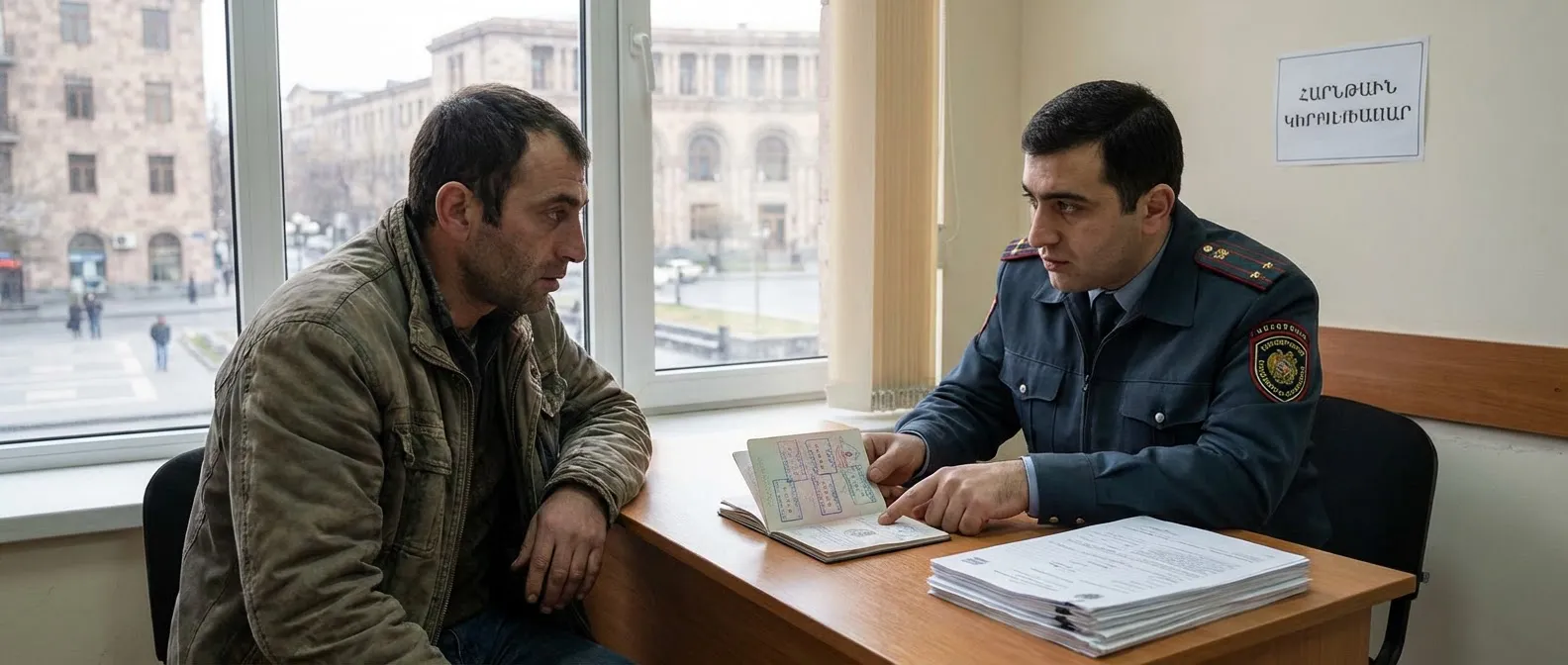
What Happens If You Overstay Your Visa in Armenia?
Overstaying a visa in Armenia results in monetary fines calculated by duration of overstay, payable upon exit. Severe overstays can result in an entry ban for a defined period. Monitor your visa validity dates and submit TRP or extension applications at least 30 days before expiry to avoid penalties.

Visa Refusal Regulations and How to Avoid Rejection
Visa and residence permit applications are refused for false information, insufficient financial proof, invalid admission letters, or past immigration violations. To avoid rejection, submit complete and authenticated documents, ensure your medical examination results are clear, and confirm your address registration is valid before applying. Refusal appeals are possible but can take several months to resolve.
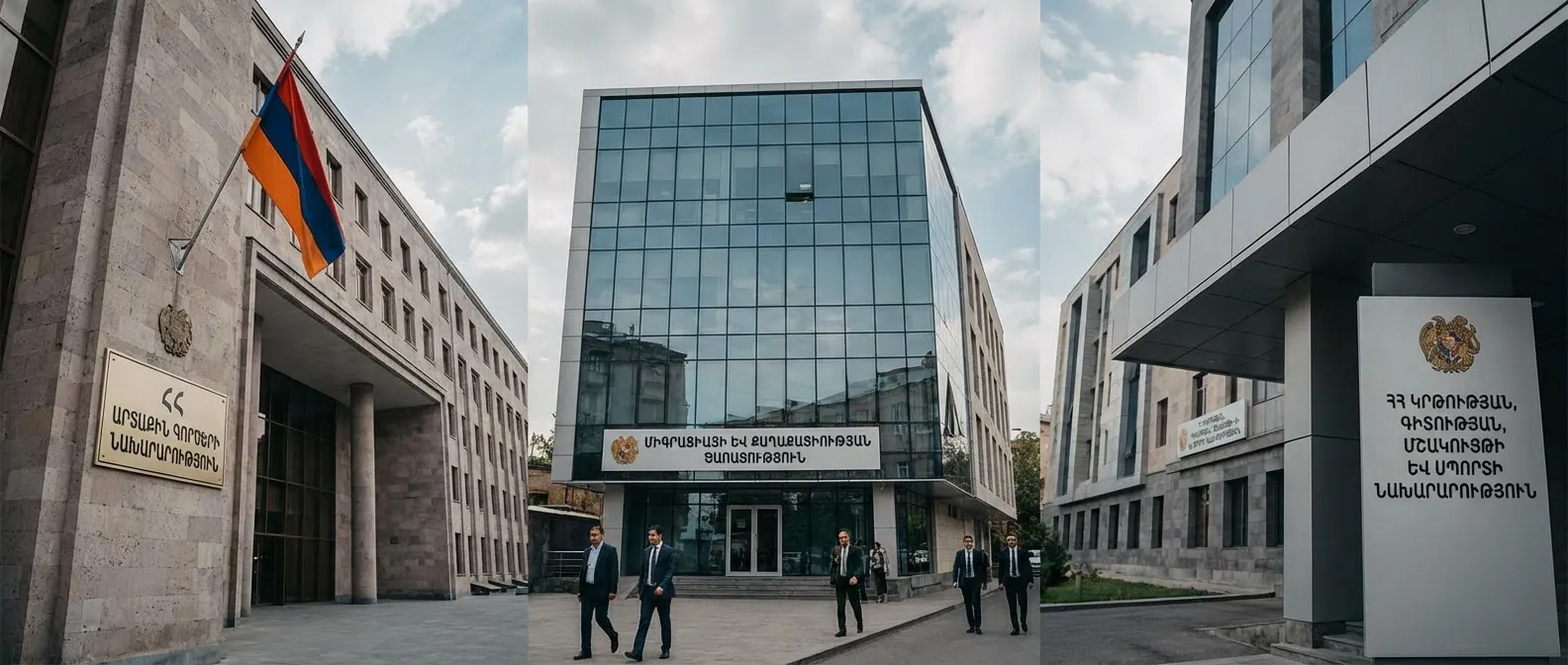
Key Government Agencies: MFA, Migration and Citizenship Service, and MOESCS
- Ministry of Foreign Affairs (MFA): handles entry visas, e-visas, and diplomatic missions,
- Migration and Citizenship Service (MCS): responsible for residence permits, asylum, and citizenship issues,
- Ministry of Education, Science, Culture and Sports (MOESCS): accredits universities and validates educational documents,
- Passport and Visa Department of RA Police (OVIR): handles address registration and passport services.
Planning your studies in Armenia also requires attention to travel documentation. If you are transiting through or visiting Aruba as part of your travel arrangements, be aware that you may need an ED Card for Aruba — an electronic embarkation/disembarkation card required for entry. Similarly, travelers visiting the island should complete the ED Card Aruba process before departure to ensure a smooth arrival experience.